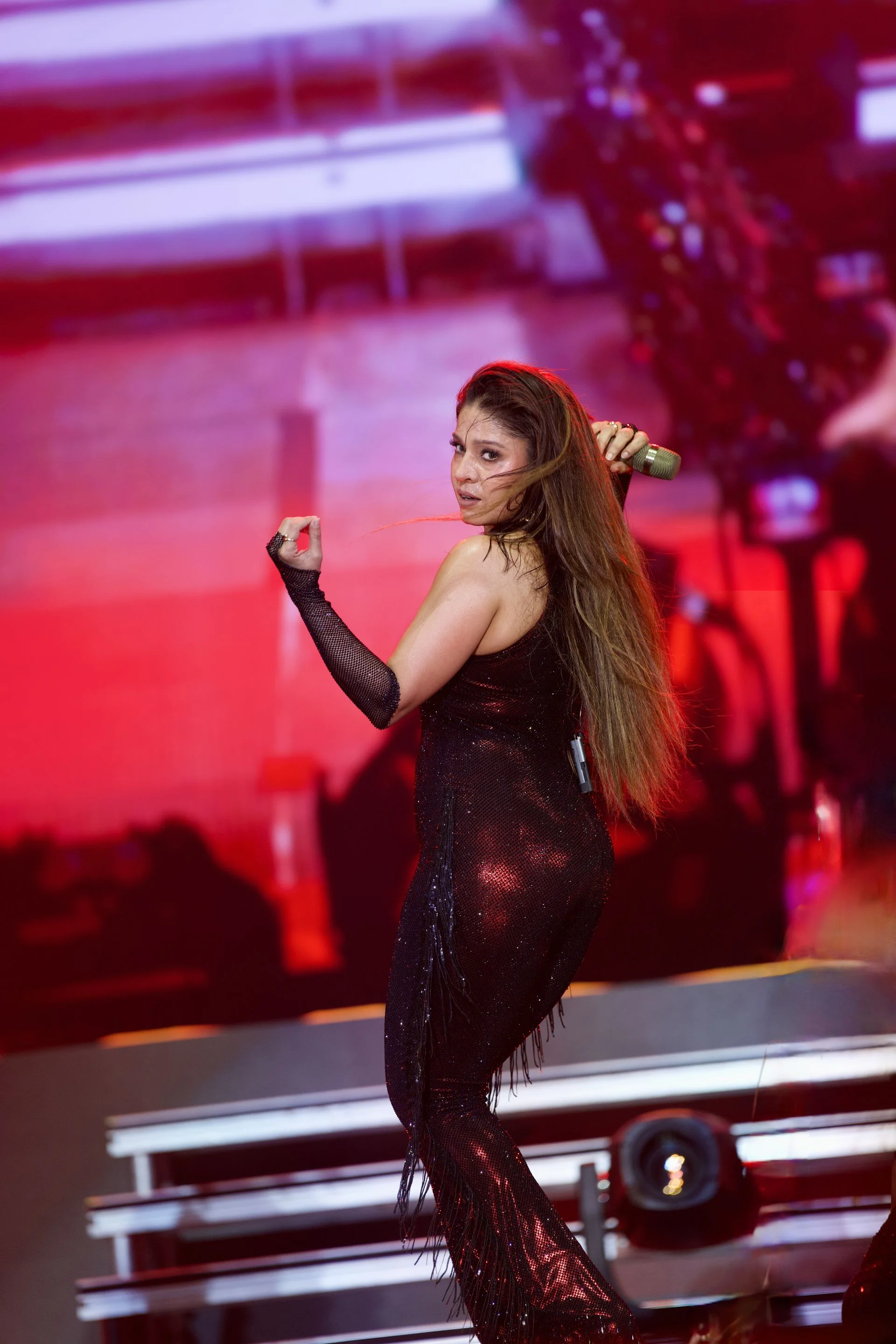
A high-converting music festival aftermovie is produced across four disciplined stages: 1) Pre-licensing dynamic electronic/rock anthems and securing direct multi-track soundboard (FOH) audio feeds, 2) Splitting camera operators into a wide-gimbal crowd runner (16-35mm at 120fps) and a handheld stage/artist telephoto rig (70-200mm at 24/60fps), 3) Documenting 4 distinct visual ecosystems (grounds anticipation, human subculture, artist intimacy, and pyro drops), and 4) Post-production speed ramping, ASMR crowd sound design, and color grading in DaVinci Resolve.
1. The True Purpose of an Aftermovie: It Is Not a Chronological Video
The single most common mistake made by inexperienced event videographers is editing a festival recap chronologically: morning gates opening, afternoon warmup acts, evening headliner, and nighttime fireworks, strung together over a flat montage.
A festival aftermovie is not a legal deposition or an archival record of the day’s timeline. A music festival aftermovie is an emotional commercial designed to sell out next year’s tickets.
When a festivalgoer watches the aftermovie 48 hours after the event, they want to re-experience the raw dopamine surge of the bass drop, the physical pressure of the crowd pit, and the euphoric memory of singing with 10,000 strangers under festival laser beams. When prospective ticket buyers watch it six months later during the next early-bird launch, it must provoke irresistible FOMO (Fear Of Missing Out).
Achieving this emotional velocity requires treating festival videography not as passive documentation, but as an aggressive, rhythm-driven cinematic production.
2. Stage 1: Audio Architecture & Pre-Production Blueprint
Over 70% of an aftermovie’s emotional impact originates in the sound design. If your audio track is weak, tinny, or distorted, no amount of expensive 4K footage can rescue the film.
The FOH Soundboard Split
Never rely on on-camera microphones; festival subwoofers will blow out the audio capsules into muddy distortion. Coordinate with the sound engineer at the Front of House (FOH) console to tap a balanced line-level stereo feed directly into a dedicated field recorder (Zoom H6 or Sound Devices MixPre).
Ambient Crowd Foley Capture
A sterile soundboard recording sounds clinical. Place stereo binaural or directional shotgun microphones along the stage barricade facing the audience. Record the organic roar: synchronized handclaps, collective gasps, whistle blows, and chanting to layer beneath the main soundtrack.
Structuring the Narrative Curve
Select your soundtrack before setting foot on the festival grounds. An effective 3-minute aftermovie mirrors classic electronic dance music song structure:
- 0:00 – 0:30 (The Genesis & Anticipation): Atmospheric ambient sounds, wristband scans, empty stage risers, bass soundchecks, and smiling fans streaming through the security gates.
- 0:30 – 1:15 (The Energy Build): Increasing BPM, afternoon sunshine transitioning into golden hour dusk, artists warming up backstage, and the crowd swelling across the festival lawns.
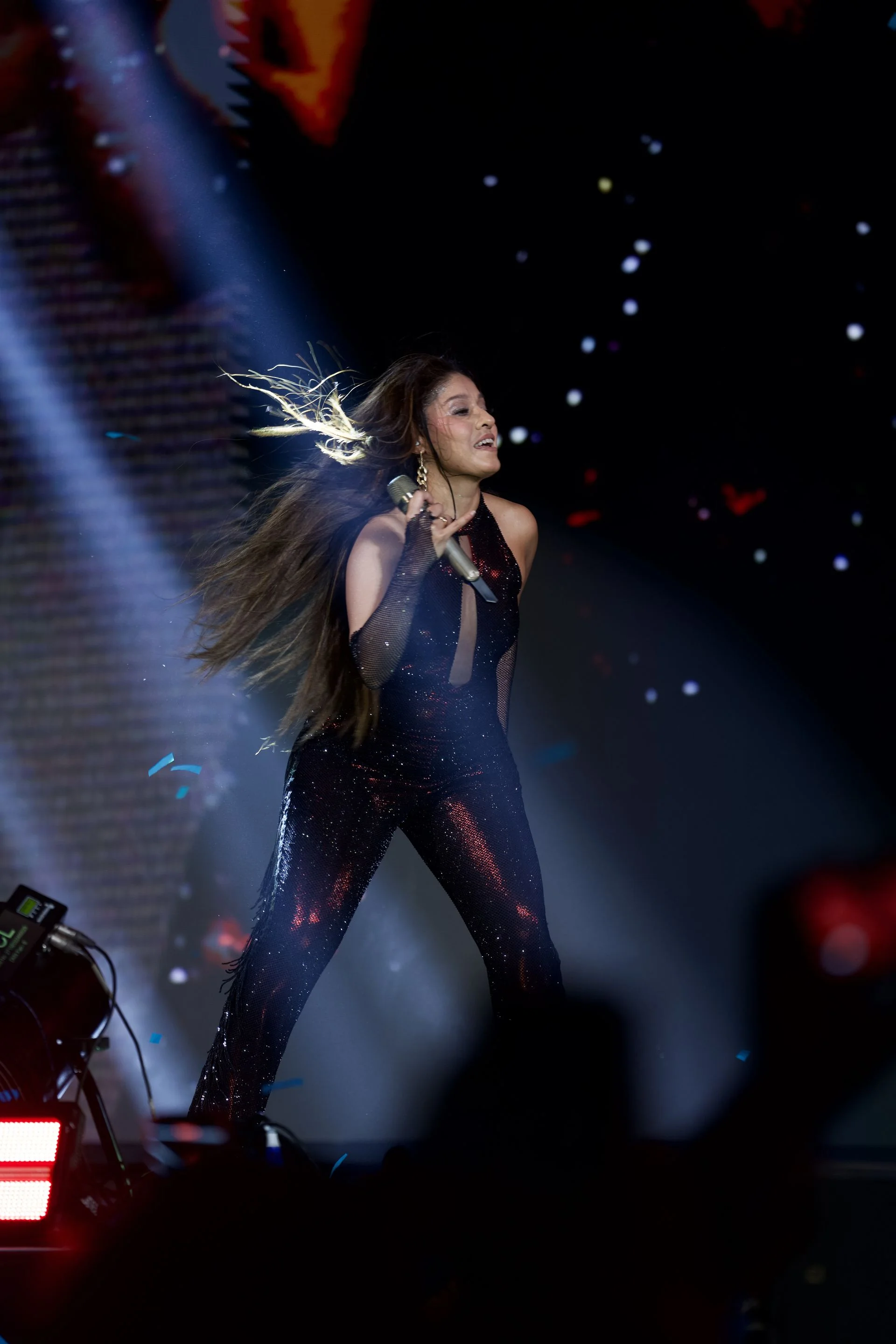
- 1:15 – 2:15 (The First Peak & Drop): High-speed cuts, laser beams cutting through dense stage haze, artist drops, confetti cannons firing, and crowd jumping in unison.
- 2:15 – 2:40 (The Emotional Melodic Interlude): Stripped-down vocals, close-up tears of joy, couples embracing, and slow-motion floating bubbles.
- 2:40 – 3:15 (The Grand Finale Explosion): Massive multi-angle pyro bursts, CO2 jets, fireworks overhead, and the artist lifting their hands to salute an ecstatic sea of fans.
3. Stage 2: Camera Rigs, Stabilizers & Frame Rate Rules
To capture both intimate human moments and epic stage scale, professional festival film crews divide responsibilities between two specialized camera operators:
Operator A: The Immersion & Crowd Runner (Gimbal Rig)
Equipped with a compact full-frame mirrorless camera (Sony A7S III or FX3) mounted to a lightweight 3-axis motorized gimbal (DJI RS3 Pro or RS4) and paired with an ultra-wide 16-35mm f/2.8 lens.
- Mission: Run through the middle of the crowd, weave between dancing circles, perform low-angle 360-degree wraps around fans, and rush forward toward the stage barricade.
- Frame Rate: Shot primarily in 60fps and 120fps (4K). Slow motion is essential for smoothing out running footsteps and transforming chaotic crowd jumps into majestic, liquid movement.
Operator B: The Stage & Artist Storyteller (Handheld IBIS Rig)
Equipped with a dedicated cinema camera rigged in a shoulder cage with side handles, top handle, and a 70-200mm f/2.8 or 24-70mm f/2.8 stabilized lens.
- Mission: Stationed on the stage wings, riser platforms, and the security barricade. Captures tight emotional closeups: the drummer's sweat droplets, guitar pick scrapes, the DJ adjusting mixer EQ pots, and artist eye contact.
- Frame Rate: Shot primarily in 24fps (1/50s shutter) for natural cinematic cadence, switching to 60fps only during mid-air leaps and guitar spins.
4. Stage 3: The 4 Visual Ecosystems Every Aftermovie Must Capture
If an aftermovie only shows the DJ jumping behind a console, viewers become bored within 45 seconds. A captivating film continuously cuts between four contrasting visual worlds:
1. The Micro Textures & Brand World
Tight macro shots of festival wristbands, hand-stamped tickets, sizzling food trucks, custom artist merchandise, beer taps pouring, and technician lighting consoles.
2. Human Subculture & Fan Euphoria
Fans singing lyrics word-for-word, friends perched on shoulders, neon glitter and face paint, spontaneous dance battles, and collective hands reaching toward the stage.
3. Artist Intimacy & Backstage Tension
Pre-show dressing room fist bumps, nervous pacing backstage, footsteps ascending the riser steps, and the breathless view from behind the performer looking out at 15,000 fans.
4. Scale, Geometry & Pyro Spectacle
Elevated wide shots from Front of House risers, sweeping symmetry of stage trusses, cryo CO2 cannons erupting, laser grids, and overhead firework finales.
For photographers and videographers wanting to master low-light technical settings on stage, study our companion masterclass on Concert Photography Camera Settings & Low-Light Lenses.
5. Stage 4: Speed Ramping, Beat-Matching & DaVinci Resolve Grading
Post-production is where raw clips are forged into an adrenaline-fueled cinema piece. The secret to festival editing rhythm is the seamless interplay between speed ramping and transient snapping.
The Speed Ramping Formula
- The Approach (300% – 500% Speed): Accelerate the beginning of a camera movement—such as a gimbal push through the crowd toward the stage—at 4x speed, creating a whip-pan kinetic rush.
- The Impact Apex (25% – 40% Slow-Mo): On the exact microsecond the music's snare hit or bass drop lands, ramp the speed down to 25% (leveraging 120fps footage played at 24fps) as confetti bursts or the performer jumps.
- The Snap Exit (200% Speed): Whip out of the frame into the next scene, masking the cut with a flash transition or motion blur sweep.
Color Grading Extreme Concert Lighting in DaVinci Resolve
Concert stages are notorious for blowing out saturated colors. Intense monochromatic blue or magenta LED washes frequently clip color channels, turning skin tones into blotchy neon stains.
- Shoot in 10-bit 4:2:2 Log: Never shoot 8-bit video for live concerts; 8-bit footage band-breaks immediately when attempting to recover stage lighting extremes.
- Hue vs. Saturation Curves: In DaVinci Resolve, use the Hue vs. Sat curve to selectively pull back over-saturated reds and magentas by 15–20% while pushing the midtone luminance up, restoring natural human skin texture underneath saturated washes.
- Subtle Film Halation & Bloom: Applying subtle halation to specular stage fixtures and laser edges gives digital sensor footage the organic, nostalgic glow of 35mm motion picture film.
6. Music Festival Videography Production Matrix
Use this operational breakdown to structure your shoot day schedule, camera settings, and editorial timeline:
| Festival Window | Primary Shot Focus | Recommended Rig | Frame Rate & Shutter | Editorial Intent |
|---|---|---|---|---|
| Gates Open (2 PM – 4 PM) | Merch, wristbands, food stalls, fan arrivals | Handheld / 35mm Prime | 24fps (1/50s) | Establish anticipation and festival world-building. |
| Golden Hour (5 PM – 6:30 PM) | Crowd smiling, dancing circles, beer toasts | Gimbal / 16-35mm | 60fps (1/120s) | Warm emotional connection; sun flare transitions. |
| Support Acts (6:30 PM – 8 PM) | Stage energy build, lighting truss activations | Handheld / 24-70mm | 24fps (1/50s) | Rhythm acceleration toward the headliner set. |
| Headliner Set (8 PM – 10:30 PM) | Artist intimacy, guitar solos, pit euphoria | Dual Rig (Gimbal + 70-200mm) | 60fps & 120fps | Peak adrenaline; heavy speed ramping over bass drops. |
| The Climax Drop (10:30 PM) | CO2 cryo blasts, confetti explosions, fireworks | Wide Gimbal + FOH High Angle | 120fps (1/240s) | The money shot; the defining visual hook of the year. |
7. Live Festival & Concert Cinematography in Ahmedabad & Gujarat
Gujarat's live event ecosystem is experiencing an unprecedented cultural renaissance. Beyond traditional celebrations, Ahmedabad and Gandhinagar have become premier destinations for national music tours, electronic music nights, college cultural festivals, and mega concert arenas.
From landmark university festivals like IIM Ahmedabad’s Chaos, NID, and CEPT University cultural showcases to massive commercial live shows at YMCA Club, Rajpath Club, and Riverfront Event Grounds, capturing Gujarat's unique audience energy requires an intimate understanding of local crowd hospitality and high-energy stage productions.
To see our live festival cinematography and stage portfolio in action, explore our Live Concerts & Stage Portfolio and review our creative commercial video editing services on the Services Overview.
Commission Your Official Music Festival Aftermovie
Elevate your festival or live concert into an iconic visual spectacle. Jugal Shah delivers full-scale cinematic aftermovie production, rapid next-day social cutdowns, and arena-caliber multi-camera coverage.
8. Frequently Asked Questions
The optimal runtime for a main festival aftermovie is 2 to 3 minutes for YouTube and digital PR, paired with 30 to 60-second vertical 9:16 cuts for Instagram Reels. Anything longer than 3.5 minutes causes severe audience drop-off unless structured as a multi-part documentary.
Never rely on camera on-board microphones, which distort severely from massive subwoofer SPL levels. Secure a direct stereo XLR feed from the Front of House (FOH) soundboard into a dedicated audio recorder (Zoom H6 or Sound Devices), and blend it with separate stereo ambient mics positioned to capture crowd chanting, roars, and pyro booms.
Shoot in 24fps (1/50s shutter) for natural realism during artist walkthroughs, daytime crowd roaming, and spoken soundbites. Switch to 60fps or 120fps (1/120s or 1/240s shutter) for dynamic slow-motion crowd ecstasy, confetti drops, water sprays, and headliner leaps to enable seamless speed ramping.
Modern music festival marketing demands a tiered delivery model: 1) Same-night or next-morning 30-second teaser reel while festival buzz is peaking on social media, followed by 2) The full cinematic 3-minute official 4K aftermovie delivered within 5 to 7 days post-event.
A two-operator setup is optimal: Operator A uses a lightweight 3-axis motorized gimbal (DJI RS3/RS4) with a wide 16-35mm f/2.8 lens for running through the crowd and low-angle stage sweeps. Operator B operates handheld with an ergonomic cage and telephoto 70-200mm f/2.8 with in-body image stabilization (IBIS) for intimate artist expressions and stage solos.